Dyson
Engineered for powerful suction.


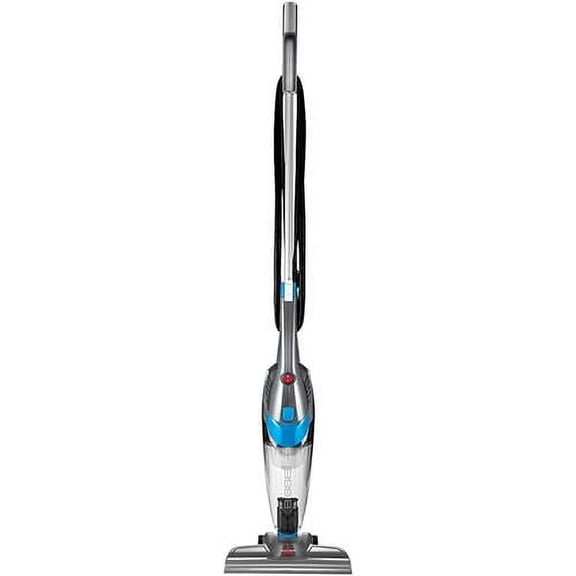
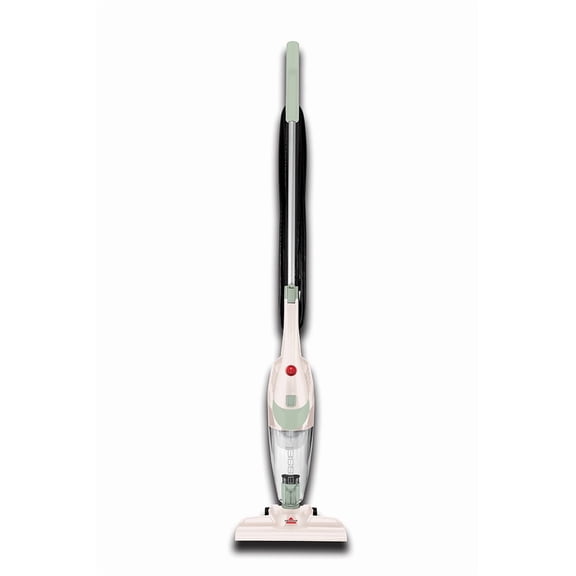
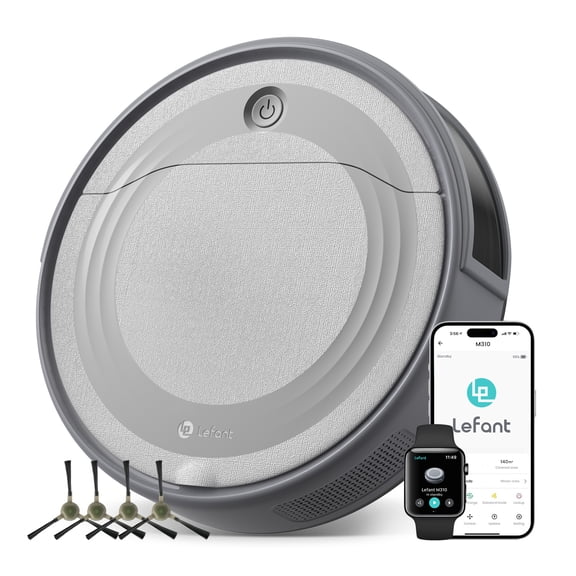
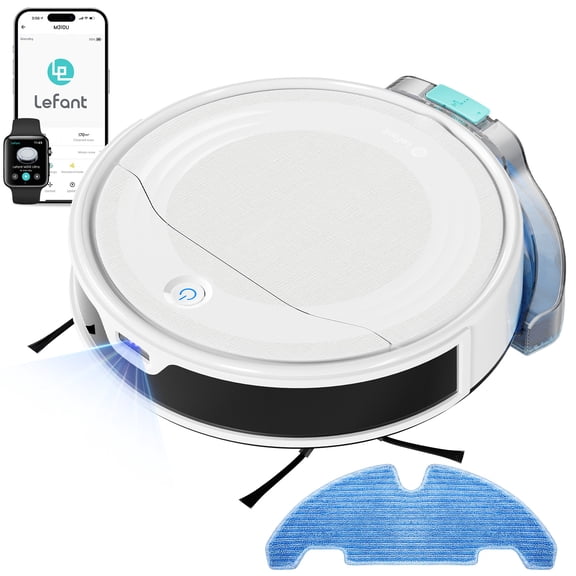
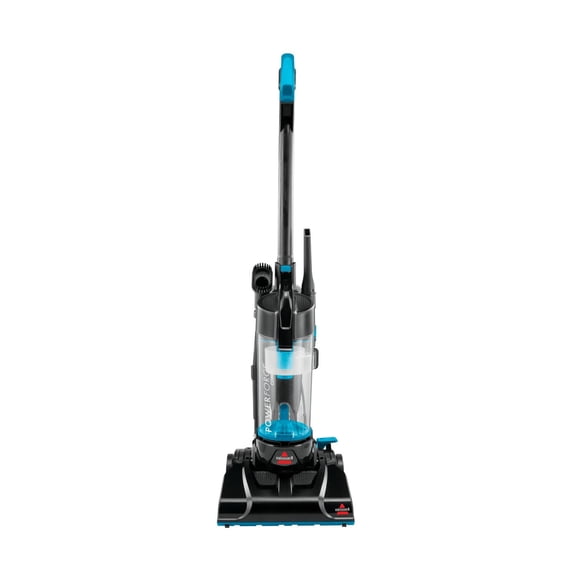
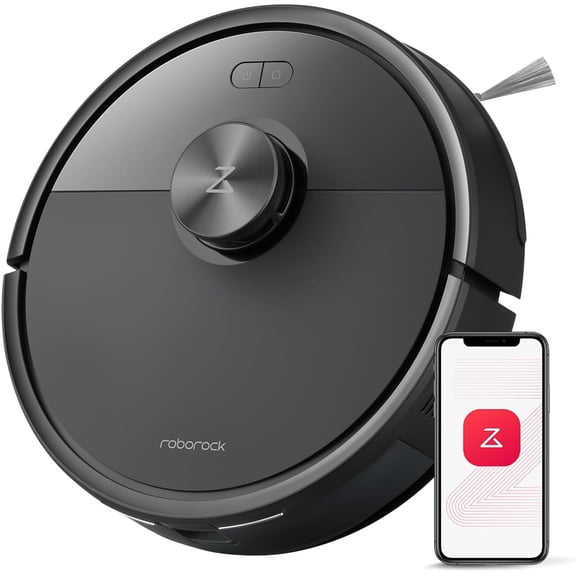
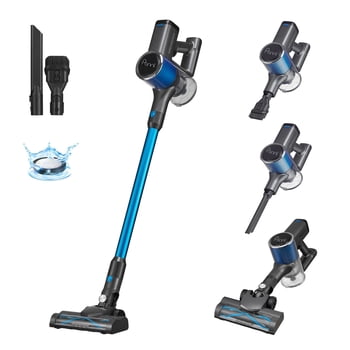
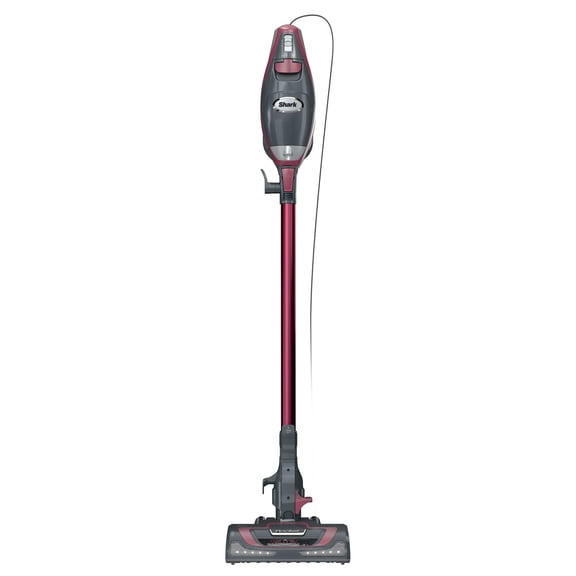
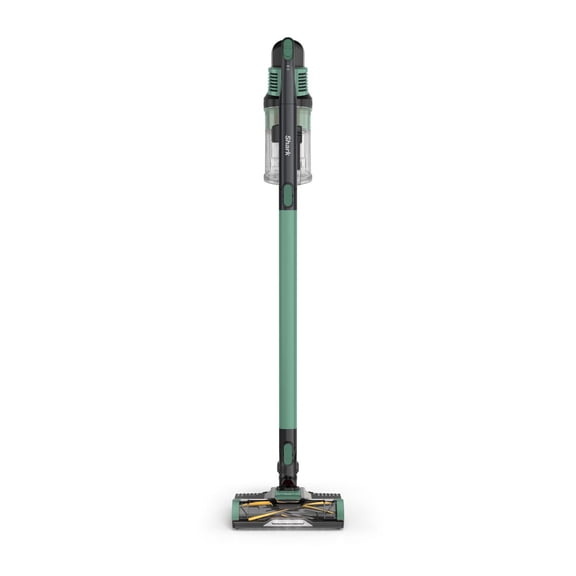
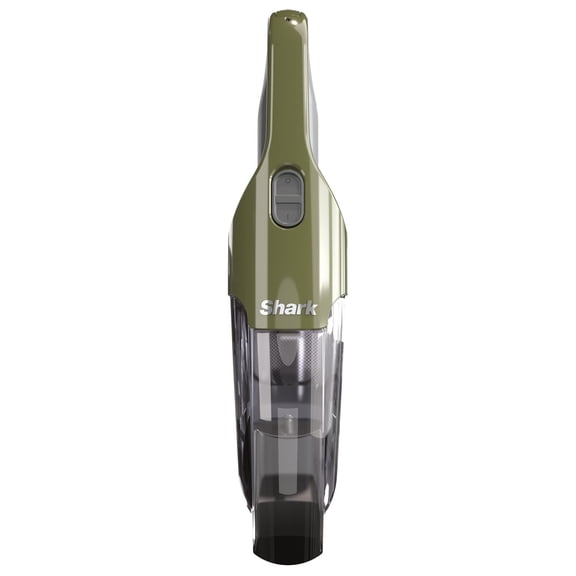
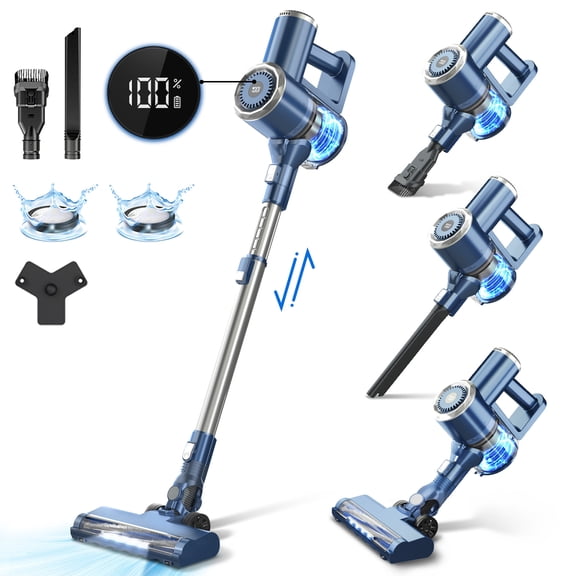
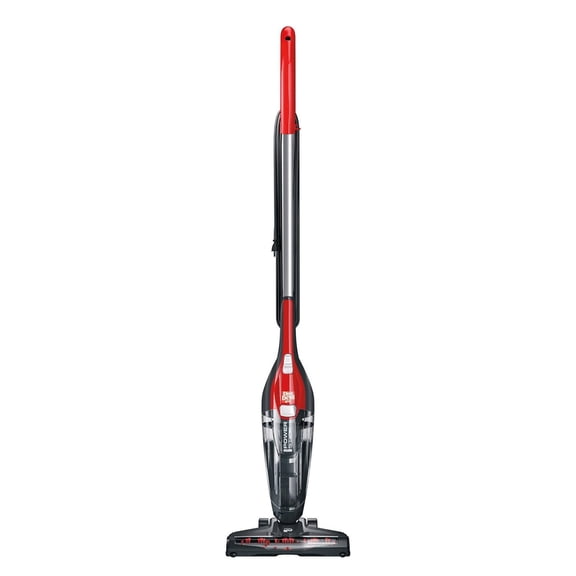
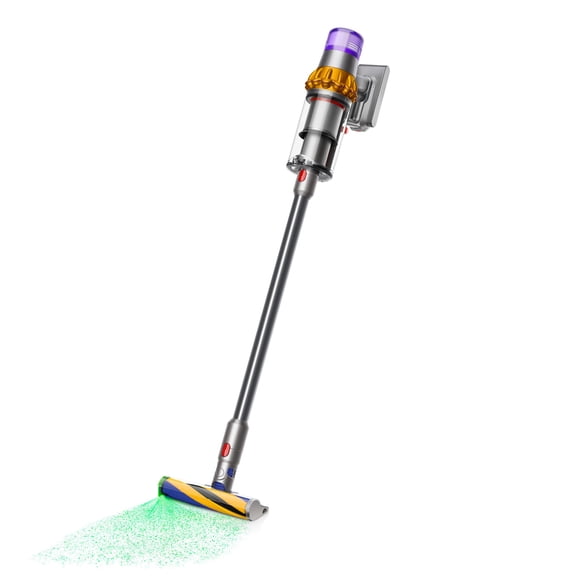
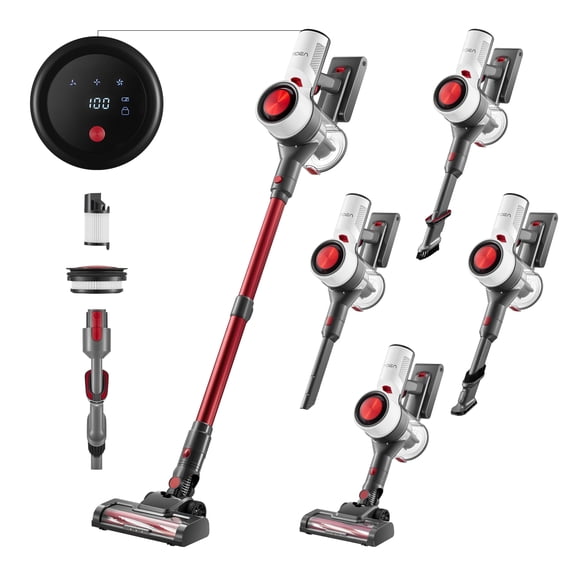
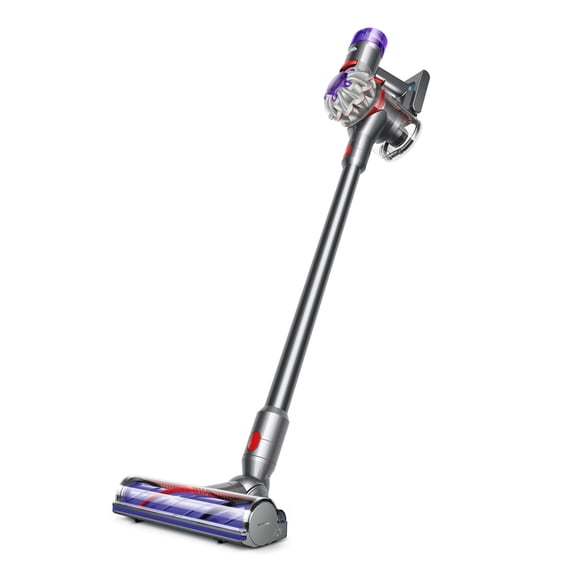
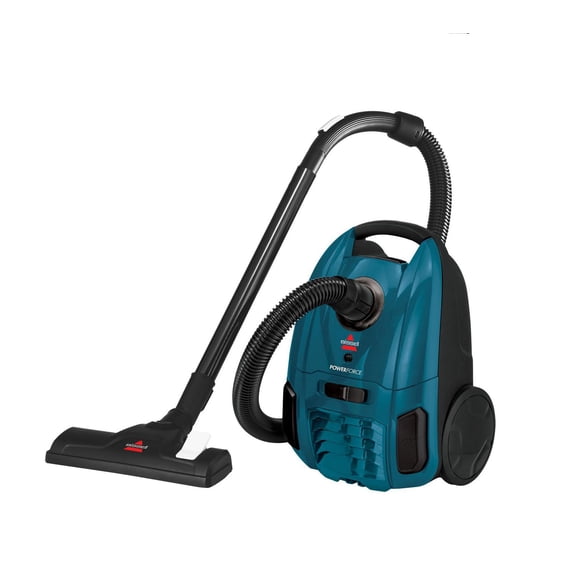
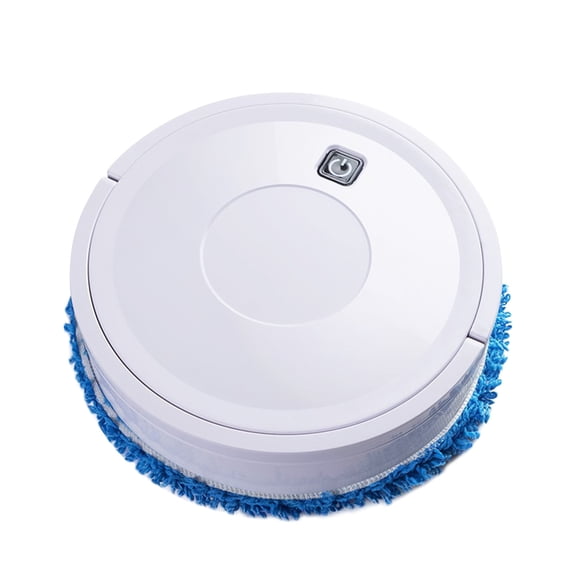
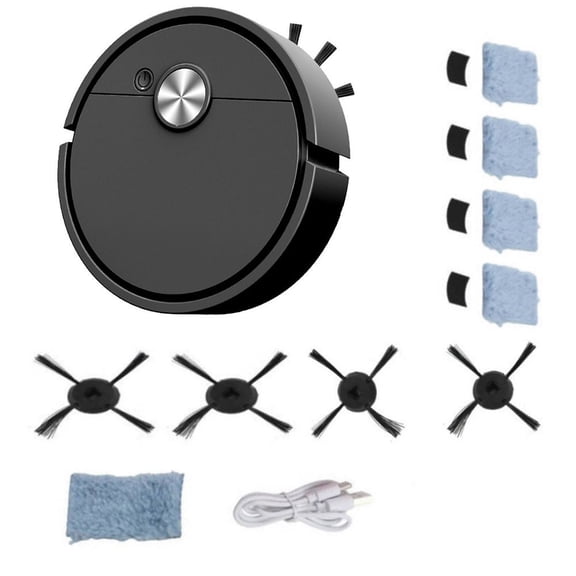
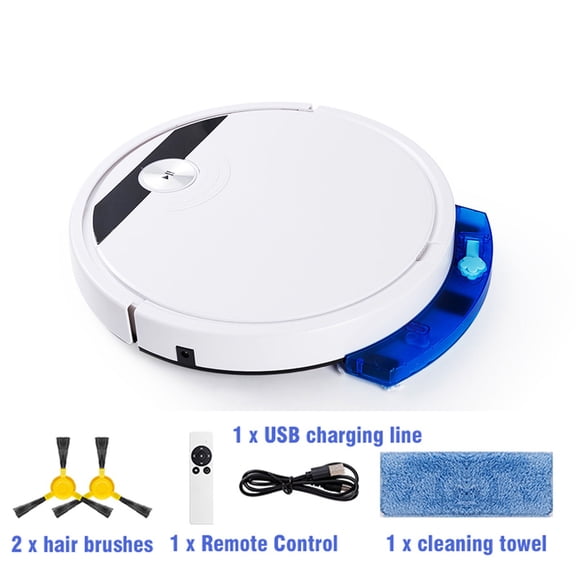
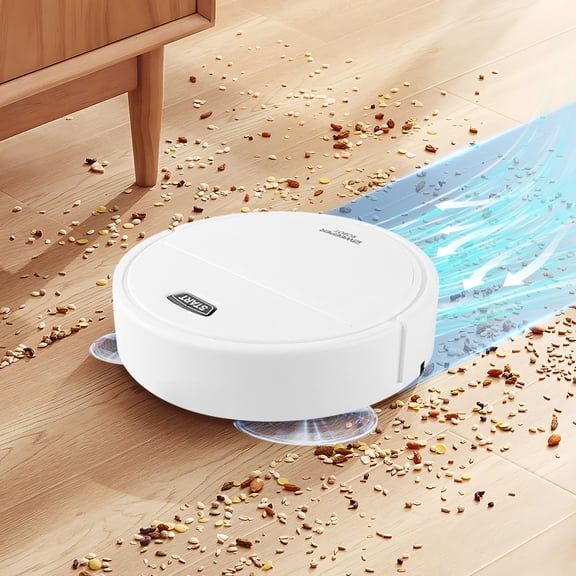
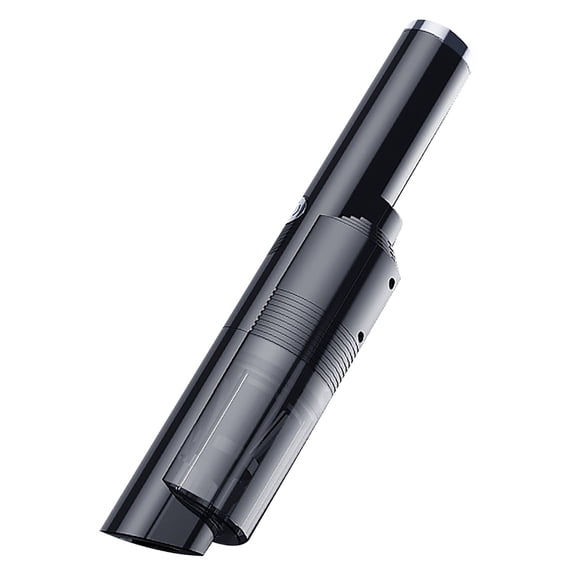
There are several types of vacuum cleaners available to suit a variety of needs. An upright vacuum is a great choice if your home is primarily carpeted. They’re easy to use and feature rotating brushes that lift and remove dirt from carpets with ease. If you have various types of flooring, a canister vacuum is versatile and can handle everything from hard floors to carpets. Stick vacuums are perfect for quick tidying tasks or for small homes and offices. They are slim, lightweight, and easy to maneuver. For hard-to-reach areas or convenient car clean-ups, compact handheld vacuums are ideal. They are designed to be portable and powerful, ensuring no corner is left uncleaned. Tech-lovers will appreciate a robot vacuum that can autonomously keep floors clean, using sensors to navigate around furniture and other obstacles. They are great for regular maintenance cleaning, particularly on hard floors. If you're looking for a more permanent solution, a central vacuum is a built-in system, featuring a central canister and power unit. It's accessible from various rooms and offers ease of use and high suction power that makes cleaning a breeze. Finally, wet/dry vacuums can handle both wet and dry debris and are typically used in workshops, garages, and other heavy-duty cleaning tasks. Explore the wide selection of vacuums at Walmart to find one that meets your needs and budget.
When it comes to cleaning hardwood floors, several types of vacuum cleaners stand out. Canister vacuums, stick vacuums, robot vacuums, and handheld vacuums are all great choices. These vacuums are designed to provide gentle yet effective cleaning without scratching or damaging hardwood floors. The secret is in the soft brush rollers, or in some cases, the absence of rollers altogether. These features allow the vacuums to glide smoothly across your floors, picking up dust and debris without causing any harm.
There are several factors to consider when choosing the best vacuum for your needs. Budget: first, determine your budget and look for the best options within that price range, balancing cost with features and performance. Floor type: next, consider if your home has mostly carpet, hardwood, tile, or a variety of floor types. Different vacuums perform better on specific surfaces and some hardwood floors may experience scratching if hard brush rollers are used. Home size: consider the size of your home and the layout. A larger home will benefit from a more powerful vacuum (like central vacuum) with a larger capacity, while a smaller home or apartment might do well with a compact or lightweight vacuum, such as a stick or upright vacuum. Pet ownership: pet owners may opt for vacuums designed to handle pet hair and dander. These often come with specialized attachments and stronger suction. Allergies or asthma: for those who are more prone to allergies and asthma, vacuums with HEPA filters are essential. Bagged vs. bagless: bagged vacuums typically hold more dirt and are more hygienic, as you can dispose of the bag without releasing dust. Bagless vacuums save on the cost of bags, but require regular emptying and filter cleaning, which can get quite dusty. Maintenance and durability: consider how often you need to clean or replace filters and how easy it is to clear blockages. Also, research the durability and reliability of different models and brands. Noise levels: some vacuums can be quite loud. If noise is a concern where you live or work, check the vacuum’s noise level (measured in decibels) to find a quieter model. Reviews and ratings: read customer reviews and ratings on the vacuum’s performance and reliability. Professional reviews can also provide insights into the vacuum’s pros and cons and help you make a better decision when choosing your vacuum cleaner.
Maintaining your vacuum cleaner properly can prolong its lifespan and ensure it operates efficiently. Here are some key maintenance tips. Empty the dustbin or replace the bag regularly. Clean or replace the filter. Check for clogs or blockages in the hoses, rollers, and attachments. Inspect the belt for wear, cracks, and breaks. If the belt is cracked and worn, you must replace it immediately. Examine the power cord for any signs of damage or exposed wires. These will need to be fixed immediately due to the electrical safety hazard. Store the vacuum in a cool, dry place. Lastly, be sure to follow the vacuum user manual for specific maintenance instructions and recommended service intervals. Different models and brands may have unique maintenance needs.
A HEPA filter (High-Efficiency Particulate Air filter) is a type of air filter designed to trap tiny particles that might slip past other filters. You’ll find HEPA filters in a variety of appliances, including vacuum cleaners and furnace filters. The benefit of HEPA filters is their ability to improve air quality, which can help provide relief for allergy sufferers and those managing asthma symptoms.